
Traditional Rulership and Afrikan Political Economy: What Belongs to Us

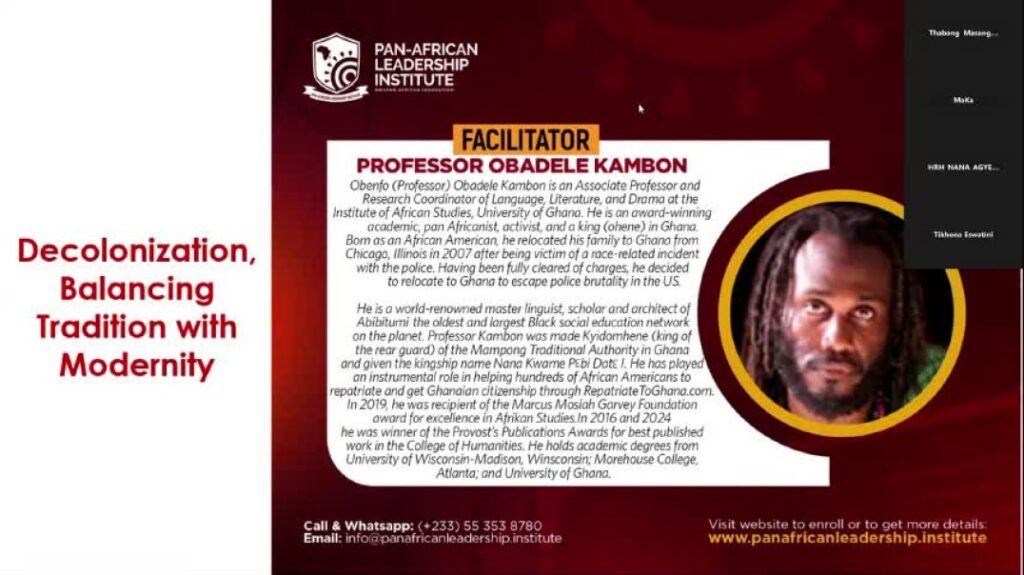
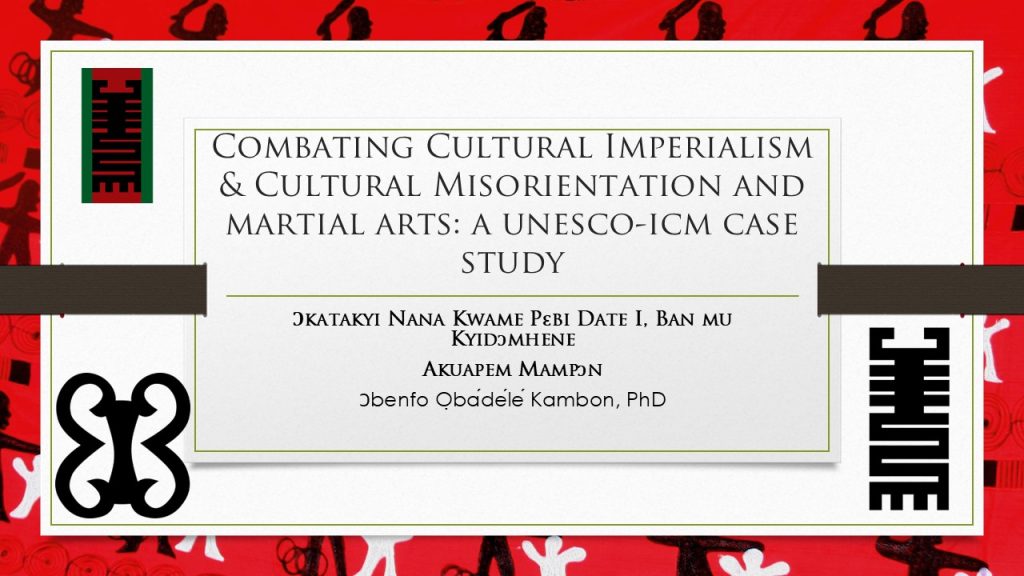
Afrikan political economy is not a foreign concept — it is a living inheritance that our people must reclaim with clarity and power. In this powerful PALI presentation, Ɔbenfo (Prof.) Ọbádélé Bakari Kambon confronts the real tension between tradition and modernity. He does not shy away from the hard questions. Instead, he answers them with scholarly precision and uncompromising Pan-Afrikan vision.
Too many of our institutions operate on borrowed frameworks. As a result, our economic systems serve other people’s interests before our own. Ɔbenfo Kambon challenges that reality directly. He examines what it truly means to build and sustain systems that originate with us. Furthermore, he explores how those systems must benefit us — on our own T.E.R.M.S. This is not theory for its own sake. This is liberation work with immediate, practical stakes.
How Traditional Rulers Shape Afrikan Political Economy Today
Traditional rulership carries immense weight in this conversation. Ɔbenfo Kambon examines the specific role our traditional rulers play in supporting indigenous economic growth. In addition, he traces the direct relationship between ancestral governance structures and modern economic practice. This analysis is rare. Most institutions never ask these questions. Abibitumi asks them because Abibifahodie — Black Liberation — demands it. Our rulers, our systems, and our futures must align with who we are as Afrikan people.
This lecture belongs in every study circle, every classroom, and every council of Afrikan community builders. Scholars will find rigorous analysis here. However, parents, students, and organizers will also find actionable insight they can apply now. Ɔbenfo Kambon’s work through Abibitumi continues to set the standard for what Pan-Afrikan education must look like. Most importantly, this is knowledge that empowers rather than entertains. Watch it. Study it. Build with it.
📺 Watch / Get it here: Ɔbenfo Obadele Kambon — Decolonization, Balancing Tradition with Modernity at PALI
Share This Post


Responses