
Ghana Parliament’s Indigenous Languages Policy: What It Means for Afrika
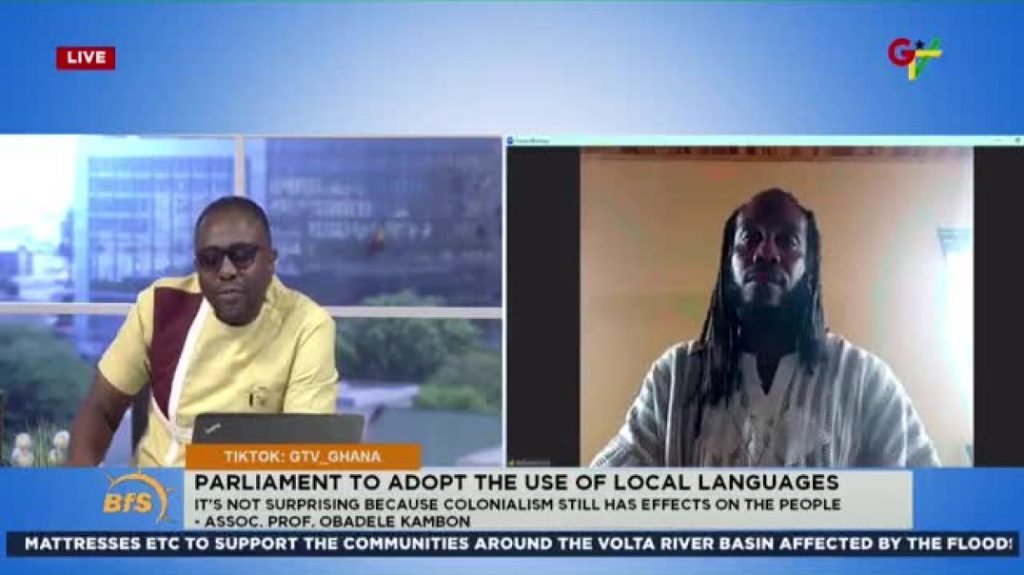
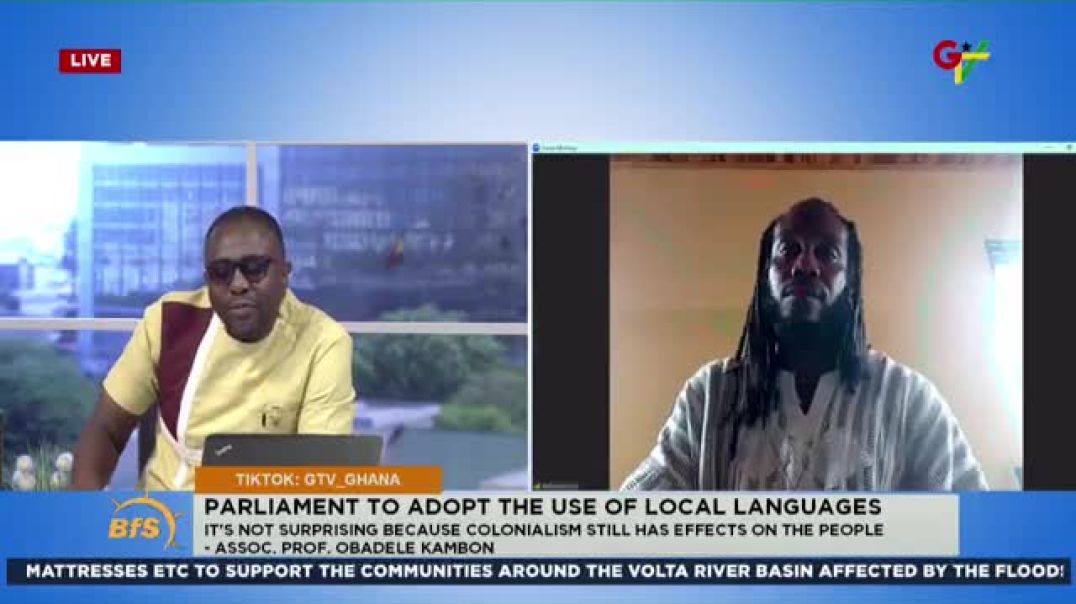
Ghana Parliament’s indigenous languages policy marks a historic turning point for Afrikan self-determination. For too long, colonial languages have dominated the halls of Afrikan governance. As a result, millions of Afrikans have been politically alienated in their own homelands. This shift challenges that legacy directly. Furthermore, it raises urgent questions about implementation, identity, and the future of the continent.
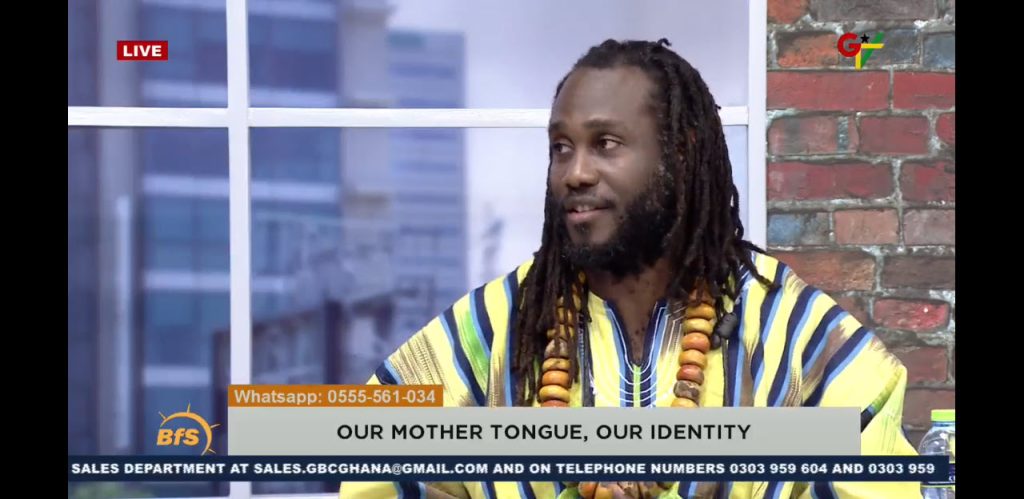
Ɔbenfo Ọbádélé Bakari Kambon — Pan-Afrikan linguist, scholar, and architect of Abibitumi — weighs in with his signature clarity and depth. In this exclusive GTV Breakfast Show interview, he unpacks exactly what this policy change means. He explores real opportunities this decision creates for Afrikan people. In addition, he draws powerful comparisons with uMzantsi’s 11 official language policy. South Afrika’s multilingual framework offers both lessons and warnings for Ghana’s path forward.
Why Ghana Parliament’s Indigenous Languages Shift Matters Beyond Borders
Most importantly, Ɔbenfo Kambon addresses the technical and social challenges ahead. Adopting indigenous languages in parliament is not simply symbolic. It demands trained translators, standardized orthographies, and deep political will. However, these challenges do not diminish the significance of the move. On the contrary, they reveal how much Abibifahodie — Black Liberation — requires building institutions that center Afrikan thought and Afrikan tongues. This is precisely the work Abibitumi exists to support.
This interview is essential viewing for every Afrikan serious about continental transformation. Scholars, students, community builders, and parents — all stand to gain from Ɔbenfo’s analysis. He connects language policy directly to power, culture, and collective destiny. Therefore, this is not an abstract debate. It is a living conversation about who controls Afrikan futures. Do not miss this opportunity to learn from one of the sharpest minds in Pan-Afrikan scholarship today. Watch the full interview here: Watch / Get it here — $10.00.
Share This Post


Responses