
 Staying Alive: Slavery, Neo-Slavery, Repatriation & The Myth Of Africa's Past
  Recording: Intro Yoruba Class 4 Online Jan 26, 2012
  Recording: Intermediate Akan (Twi) Class 3 Online Jan 28, 2012
  Recording: Introductory Akan (Twi) Class 1 Apr 9 2012
  From isft to Maat in Media, Reclaiming Kmtyw Wisdom and Cultivating Critical Discernment
 ![Ashanti Proverbs - R.S. Rattray [PDF] 194 Pages](https://media.abibitumi.com/wp-content/uploads/2009/01/11075120/ashanti-proverbs-434x500.png) Ashanti Proverbs - R.S. Rattray [PDF] 194 Pages
Ashanti Proverbs - R.S. Rattray [PDF] 194 Pages  "What Would Baba Ọmọ́wálé (Malcolm X) Be Doing at Age 100?" Ɔbenfo Ọbádélé Kambon's Deeply Personal Centenary Keynote
 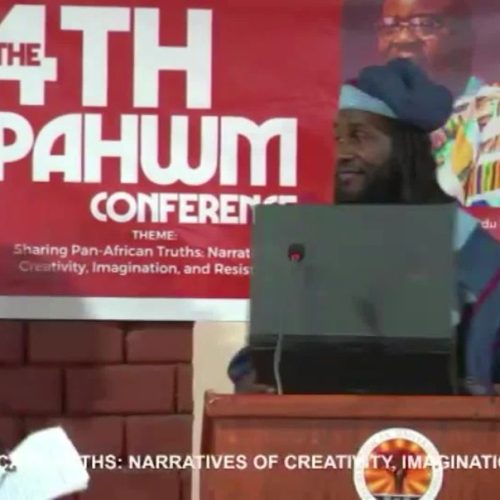 Echoes of the Grandcestors: Getting our multiple selves in-formation
 ![Quiet Warrior: The BlackNificent Legacy of Nana Kamau Kambon [HD]](https://media.abibitumi.com/wp-content/uploads/2025/02/23115049/Poster-1-500x500.jpg) Quiet Warrior: The BlackNificent Legacy of Nana Kamau Kambon [HD]
Quiet Warrior: The BlackNificent Legacy of Nana Kamau Kambon [HD] 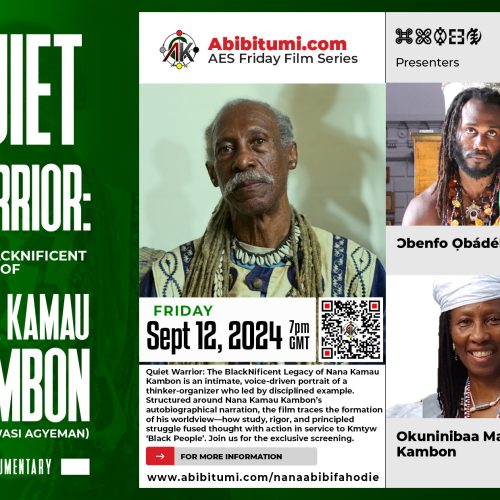 Quiet Warrior: The BlackNificent Legacy of Nana Kamau Kambon — Film Screening
 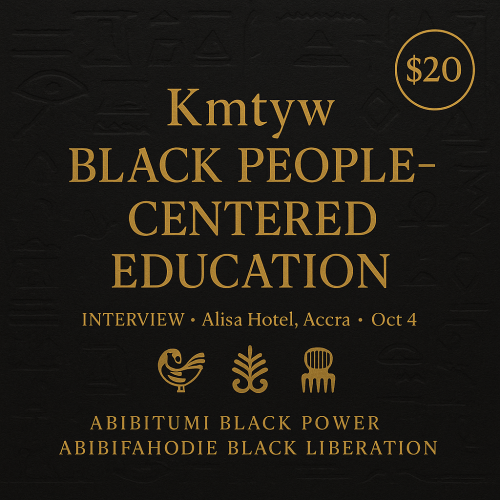 So-Called "Afrikan-Centered" Education: What it should be versus what it actually is
  Fanti Customary Laws [PDF] 317 Pages
 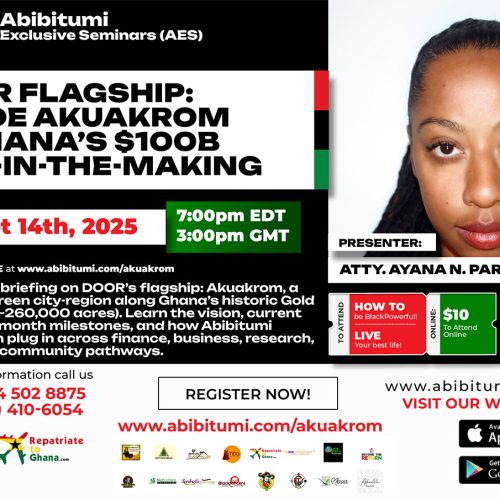 DOOR Flagship: Inside Akuakrom — Ghana’s $100B City-in-the-Making
 ![The Ancient Afrikan Origins of Pan-Afrikanism: A Textual Analysis [101 Slides!!!]](https://media.abibitumi.com/wp-content/uploads/2025/07/12073735/iaspa-500x500.jpg) The Ancient Afrikan Origins of Pan-Afrikanism: A Textual Analysis [101 Slides!!!]
The Ancient Afrikan Origins of Pan-Afrikanism: A Textual Analysis [101 Slides!!!]  Recording: Intermediate Akan (Twi) Class 5 Online Feb 4, 2012
 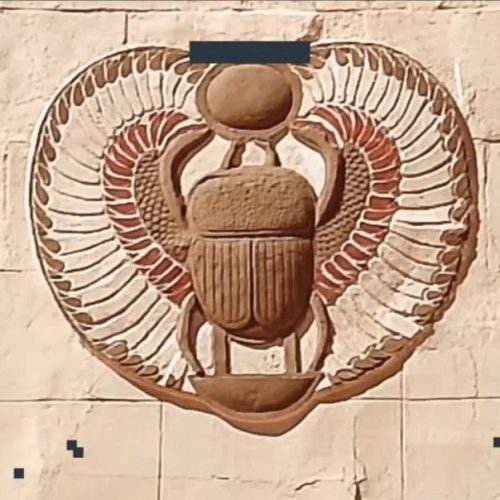 QuietWarrior Documentary Sa Ankh - Blacknificent Legacy Lecture by Ɔbenfo Obadele Kambon
 ![[Video Recording] Nana Kamau Kambon - Black Liberation vs. white terror domination: And the winner is... Pt. 2](https://media.abibitumi.com/wp-content/uploads/2024/01/28204831/2024-01-22_06-08-00-500x280.jpg) [Video Recording] Nana Kamau Kambon - Black Liberation vs. white terror domination: And the winner is... Pt. 2
[Video Recording] Nana Kamau Kambon - Black Liberation vs. white terror domination: And the winner is... Pt. 2  Recording: Introductory Akan (Twi) Class 3 Online Mar 5, 2012
 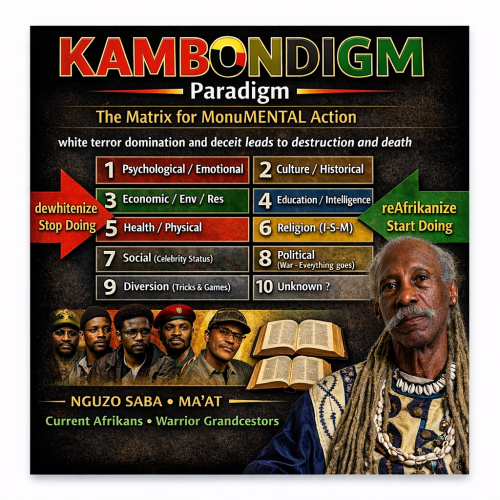 Ɔbenfo Kamau Kambon - Kambondigm Updated!! Pt. 1
 ![Abibifahodie Asako Capoeira [30-Part Complete Set of Videos]](https://media.abibitumi.com/wp-content/uploads/2020/07/28221016/mqdefault-3.jpg) Abibifahodie Asako Capoeira [30-Part Complete Set of Videos]
Abibifahodie Asako Capoeira [30-Part Complete Set of Videos]  Part 2: SHOCKING! Afrikan Combat Capoeira Stick Fight and Sparring: Abibifahodie Asako Accra Ghana
 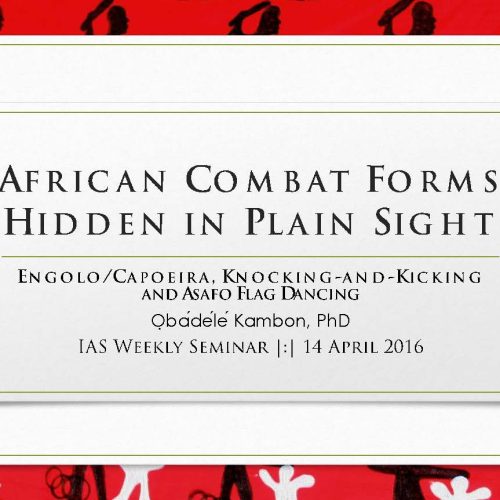 AFRICAN COMBAT FORMS HIDDEN IN PLAIN SIGHT: Engolo/Capoeira, Knocking-and-Kicking and Asafo Flag Dancing

Black-to-Black Translations / kmtyw Hr kmtyw m xpr mdw
We translate Black stuff in Black languages
Organizer:
- Organized by
-
-

Group Feed
-

Talawa posted an update in the group
 Black-to-Black Translations / kmtyw Hr kmtyw m xpr mdw 2 years ago ·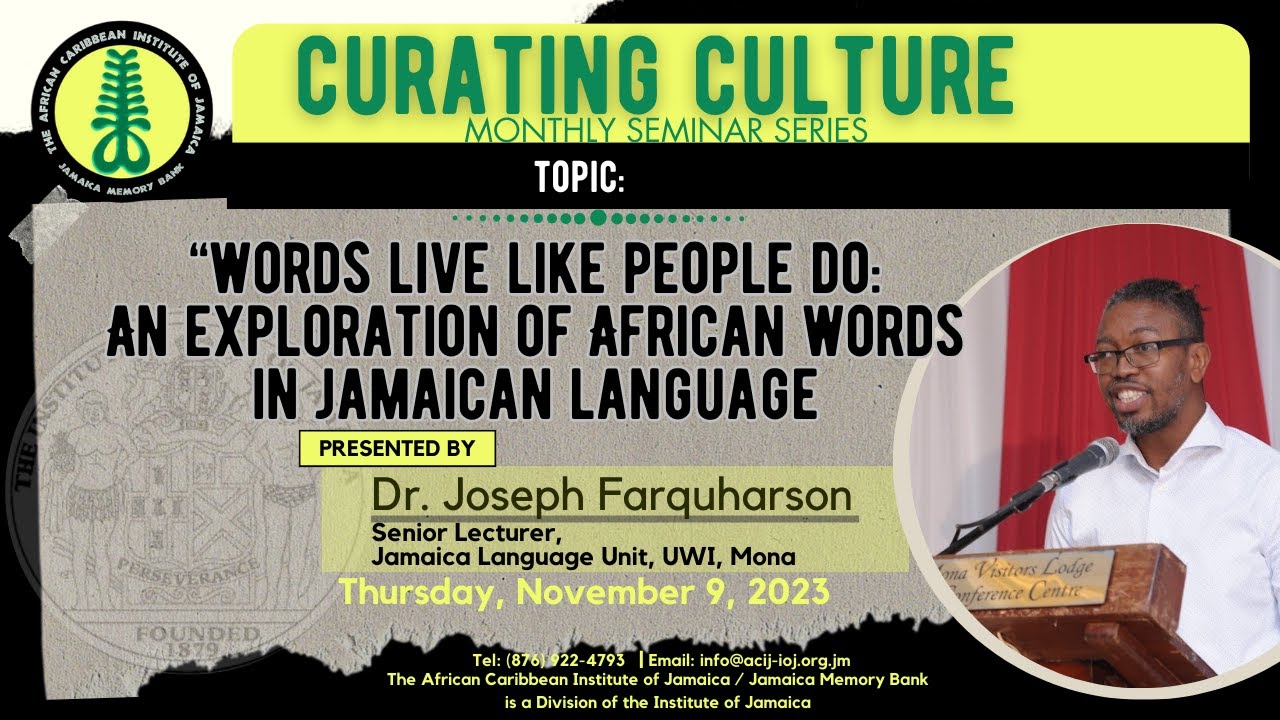
abibitumitv.com
Words Live Like People Do: An Exploration of African Words in Jamaican Language || Curating Culture
The second seminar in the Curating Culture Seminar Series presented by Dr. Joseph Farquharson, Senior Lecturer at the Jamaican Language Unit, UWI, Mona. Abstract The study of Etymology is concerned with the history and
1 Comment-

meda wo ase for posting, will check it out
-
-
Talawa posted an update in the group
Black-to-Black Translations / kmtyw Hr kmtyw m xpr mdw 2 years ago@obadelekambon do you know which continental languages have expression for “behind” translates to “in back of…”
https://abibitumitv.com/watch/dr-robert-williams-on-ebonics_Cx1vxoz1QI9cJtu.html

abibitumitv.com
Dr. Robert Williams on Ebonics
Nana Robert Williams explains how and why he came up with the term "Ebonics" to describe Anti-Amerikkkan Afrikan language.
-

 162,983
Abibisika (Black Gold) Points
162,983
Abibisika (Black Gold) Points
Akan (akyi), Yorùbá (ẹ̀hìn), Wolof (ginaaw), Kikôngo (nima), Kiswahili (nyuma ya), and I’m sure many others.
 1
1
-
-
Talawa posted an update in the group
Black-to-Black Translations / kmtyw Hr kmtyw m xpr mdw 2 years ago -
Talawa posted an update in the group
Black-to-Black Translations / kmtyw Hr kmtyw m xpr mdw 2 years ago -
Talawa posted an update in the group
Black-to-Black Translations / kmtyw Hr kmtyw m xpr mdw 2 years ago · 2 years ago (edited)
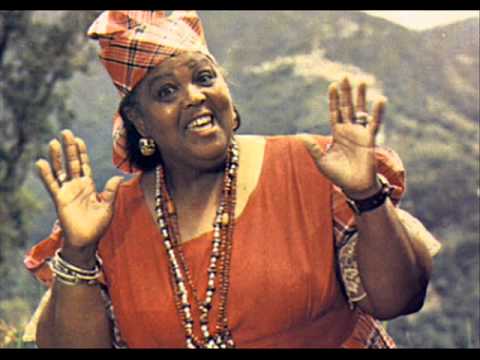
A so wi affi explain ou wi ton han mek fashion ina wi langwij *this right here, is a great way to explain how words are repurposed in Ebonics, i.e. relexification process”
-
Do you agree she should be Jamaica next national hero?
- View 4 replies
-
- Load More