When Schools Fail Afrikan Children: The Achimota Dreadlocks Case Decoded
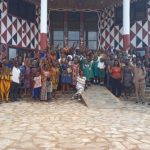
Afrikan education colonialism is not a relic of the past — it operates today, inside Afrikan institutions, enforced by Afrikan hands. The 2021 Achimota School dreadlocks controversy in Ghana made this devastatingly clear. A school on Afrikan soil rejected Afrikan children for wearing their hair in its natural, ancestral state. Furthermore, the institution defended this rejection using the very logic European colonizers installed generations ago. This is not education. This is occupation dressed in a school uniform.
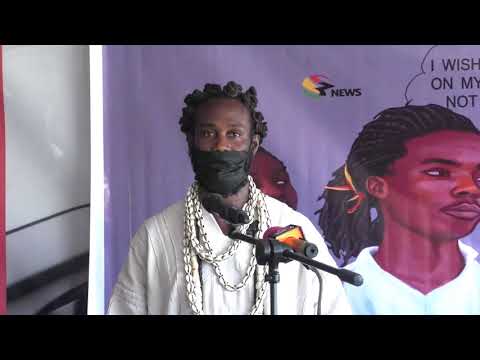
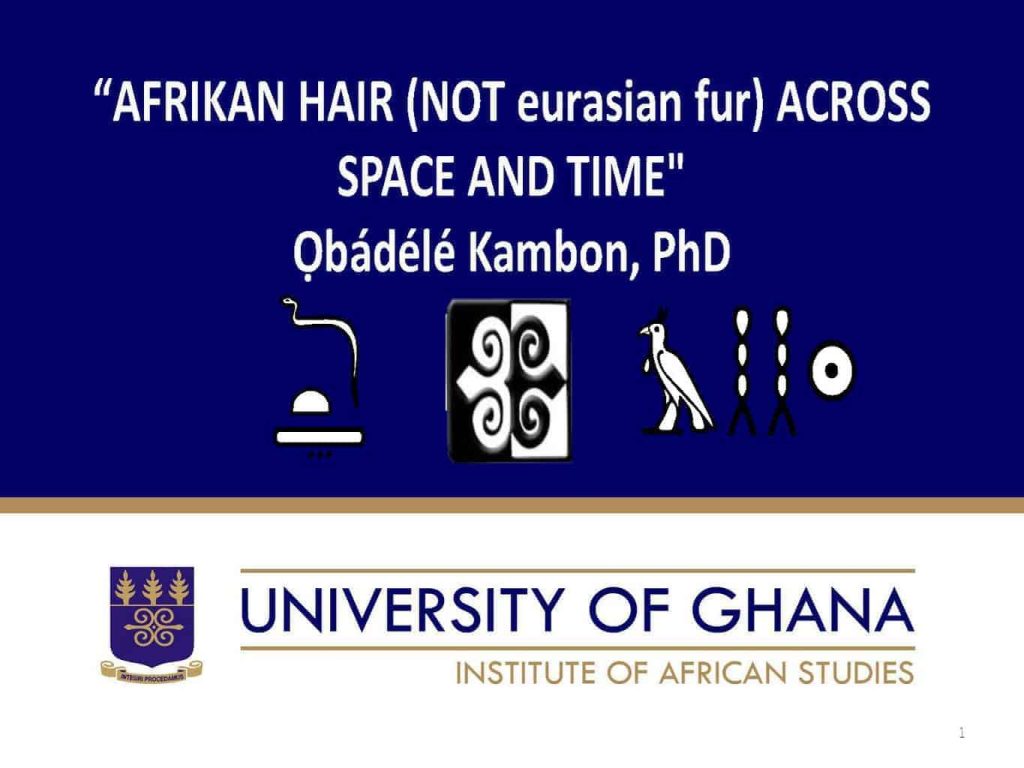
Ɔbenfo Ọbádélé Bakari Kambon — Pan-Afrikan linguist, scholar, and architect of Abibitumi — convened a press conference to address this crisis directly. He did not mince words. In this 34-minute presentation, Ɔbenfo Kambon names the root problem: Afrikan institutions producing graduates shaped by krakkkacademic frameworks that serve white supremacy, not Afrikan liberation. As a result, these institutions graduate people who enforce colonial standards against their own. Too much schooling. Too little education. The distinction matters enormously for Abibifahodie — the total liberation of Afrikan people.
Reclaiming Afrikan-Centred Knowledge Beyond Afrikan Education Colonialism
Most importantly, Ɔbenfo Kambon centers a critical question: who produces knowledge, and for whom? Afrikan people — both on the continent and throughout the Diaspora — carry wounds from enslavement, colonialism, and neo-colonialism. However, those wounds do not stop at the body. They penetrate the mind and reshape what Afrikan people accept as normal, authoritative, and legitimate. In addition, when Afrikan institutions police Afrikan aesthetics, they reveal how deeply this miseducation runs. The Kmtyw and all Afrikan people deserve institutions that affirm — not erase — who we are.
This lecture is essential viewing for every Pan-Afrikan scholar, parent, student, and community builder. It connects a local controversy to a global pattern. Furthermore, it challenges us to build knowledge systems rooted in Ma’at — truth, justice, and Afrikan sovereignty. Abibitumi exists precisely for this purpose: to provide Afrikan-centred education that colonial institutions refuse to offer. Therefore, do not wait. Study this presentation. Share it within your community. Use it to sharpen your analysis and strengthen your commitment to Abibifahodie. Watch and get it here: Press Conference on Ghana Achimota “Dreadlocks” Controversy.
Share This Post

Responses