

wHm mswt mdw nTr (Medew Netcher Study Group)
Group for those interested in mdw ntr
Organizer:
- Organized by
-
-

Group Feed
-

Talawa posted an update in the group
 wHm mswt mdw nTr (Medew Netcher Study Group) 2 months ago
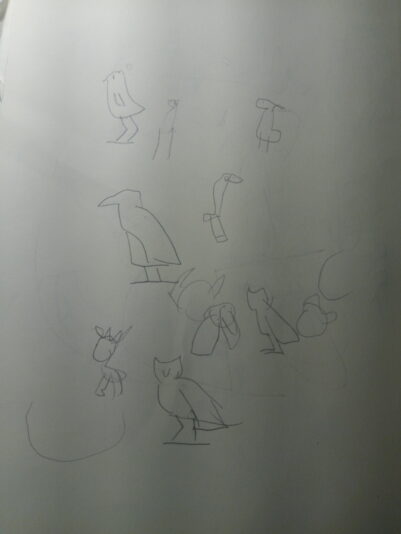
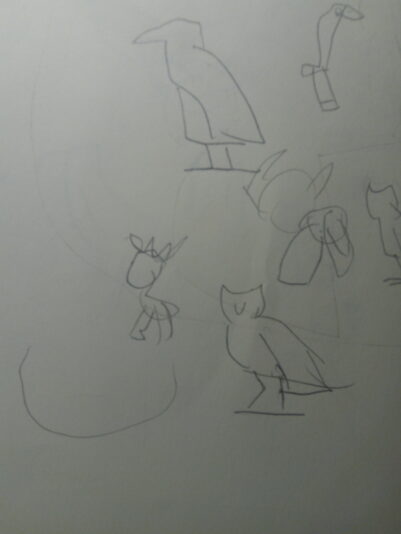
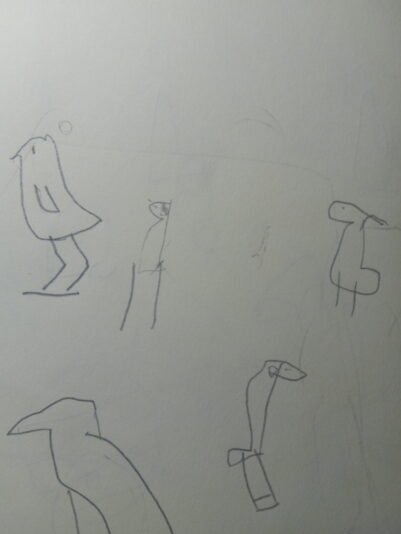
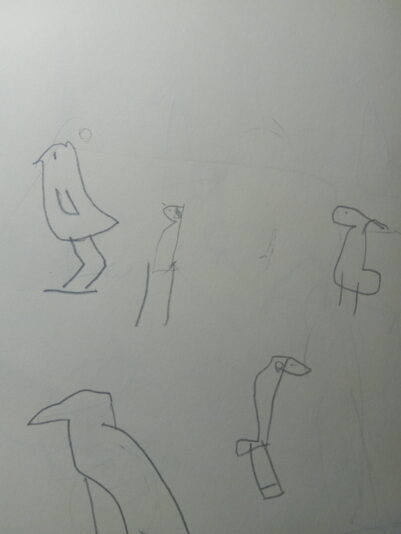
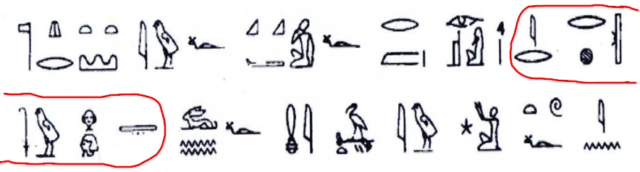
Medu Azu growth
Azu getting more confident in drawing the A-vulture (?), quail chick and owl (before he’d be like NOOOO AGYA MI NUH WAAH DRAW DI BORD)


 Tamara, Jeff and 5 others2 Comments
-

 130,875
Abibitumi Points
130,875
Abibitumi Points
Nice! What do you and Azu use for reference when drawing (if anything)?
- View 1 reply
-
-
 93,848
Abibitumi Points
93,848
Abibitumi Points
-

-

Htp sN
-
-

Kwaku posted an update in the group
wHm mswt mdw nTr (Medew Netcher Study Group) 4 months ago4 months ago (edited)
130,875
Abibitumi Points
Grammar question
My understanding
– dependent pronouns cannot be the subject of a verbal sentence
– dependent pronouns can be the subject of a sentence that starts with a particle.Is sw the subject of this sentence since it starts with a particle? Is the translation: If it is known upon the top of the earth
-

nfr sw “it/he is good” — sw is the subject of non-verbal adjective sentence where the adjective functions like a predicate
sDm=i wi “I hear him” — wi is the object of sDm in the verbal sentence
The example you have given
***ir rx sw Hr tp tA***sw is the recipient/object of rx ‘to know’ but it translates as passive in english
rx might be rx.(w)…
2- View 2 replies
-
130,875
Abibitumi Points
@obadelekambon @taharka2018 dwAw. That was also my original understanding that sw was the DO of rx. Also, my understanding is that (ir rx sw Hr tp tA) is a participle clause where rx contains both the verb and the subject. Therefore, my original translation was: If one who knows it upon the top of the earth.
- View 3 replies
-
-

Ɔbenfo Ọbádélé posted an update in the group
wHm mswt mdw nTr (Medew Netcher Study Group) 4 months ago
179,218
Abibitumi Points
allen’s middle egyptian grammar
- Load More