
How Afrikan Languages Reveal a Shared Cultural Soul Across Centuries
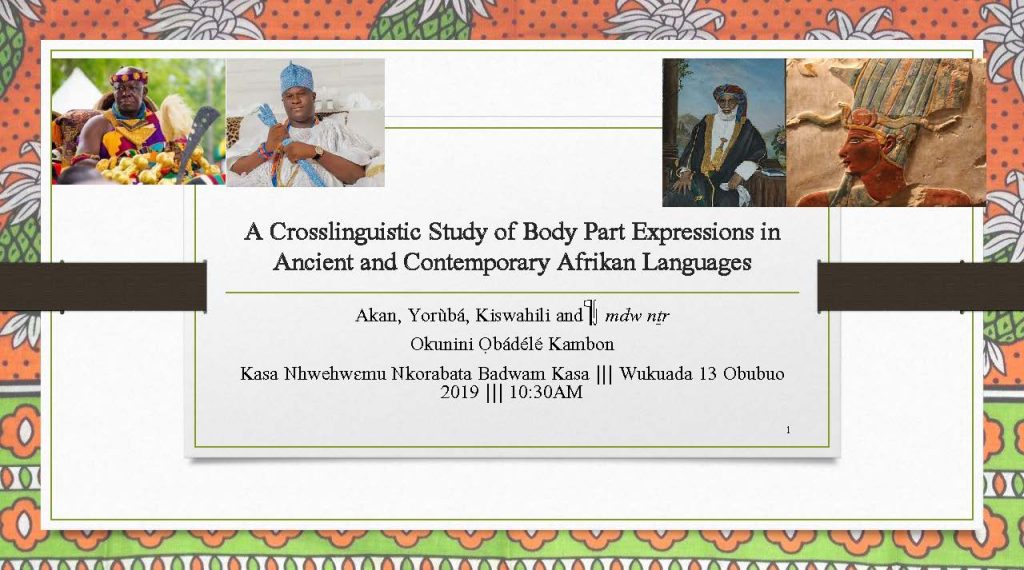
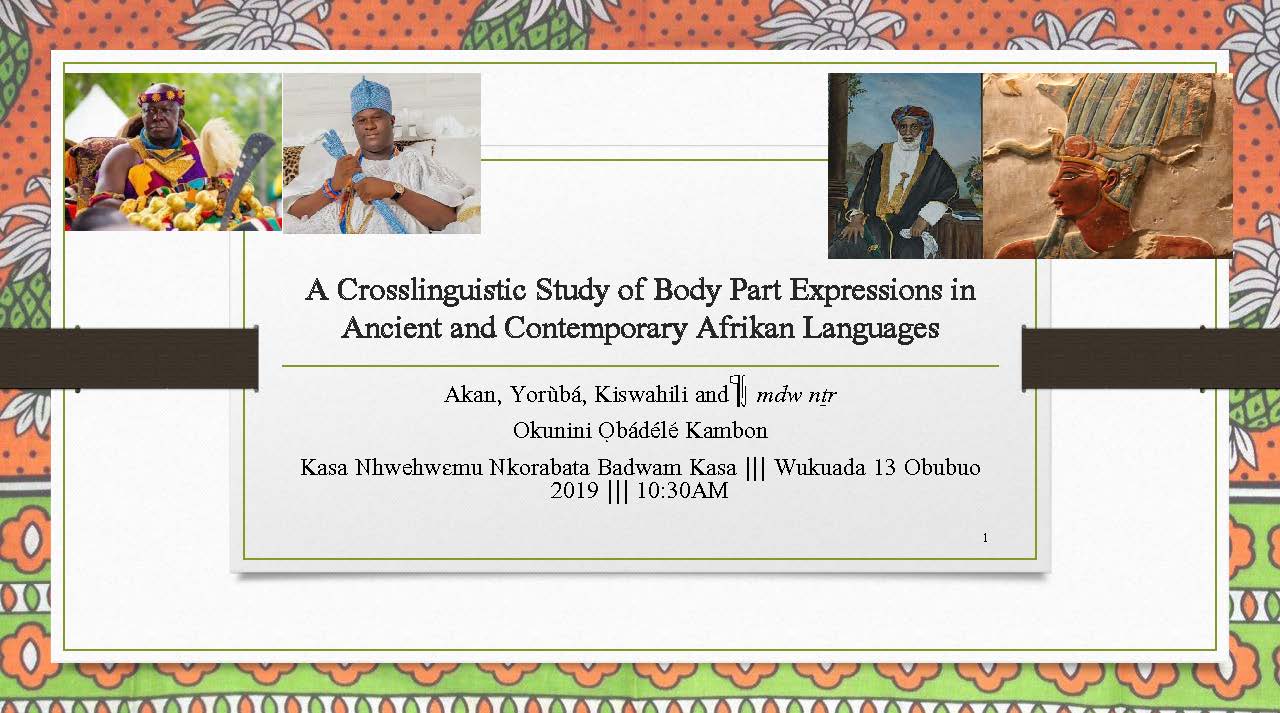
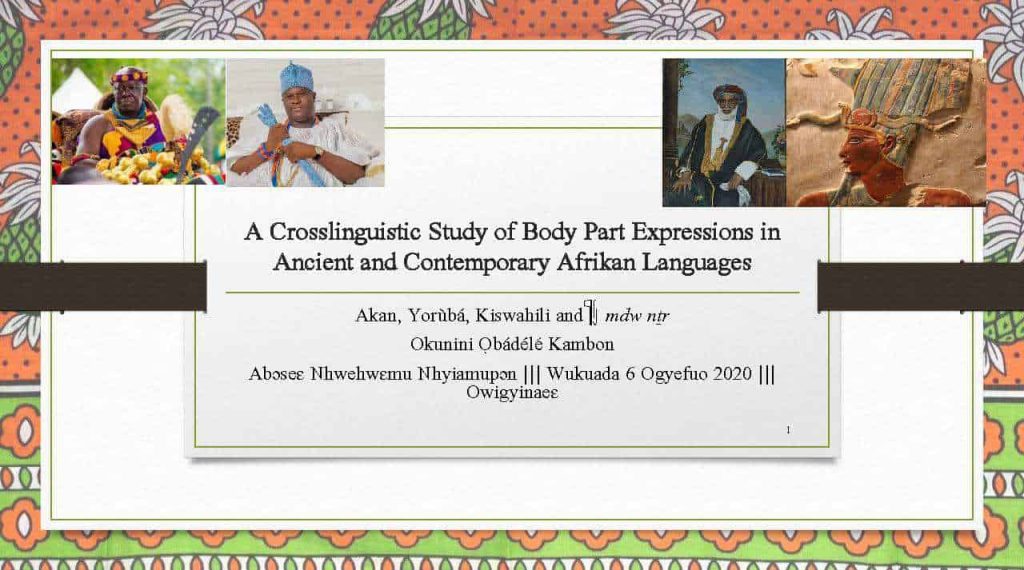
Afrikan body part expressions carry far more than anatomical meaning — they encode emotion, thought, and a living worldview. Across Akan, Yorùbá, Kiswahili, and the ancient mdw ntr of the Kmtyw, Afrikan languages speak with one deep cultural voice. This is not coincidence. This is evidence of a shared Afrikan consciousness that has endured across millennia. Furthermore, it is evidence that demands serious scholarly attention.
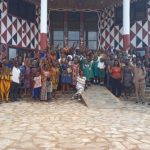
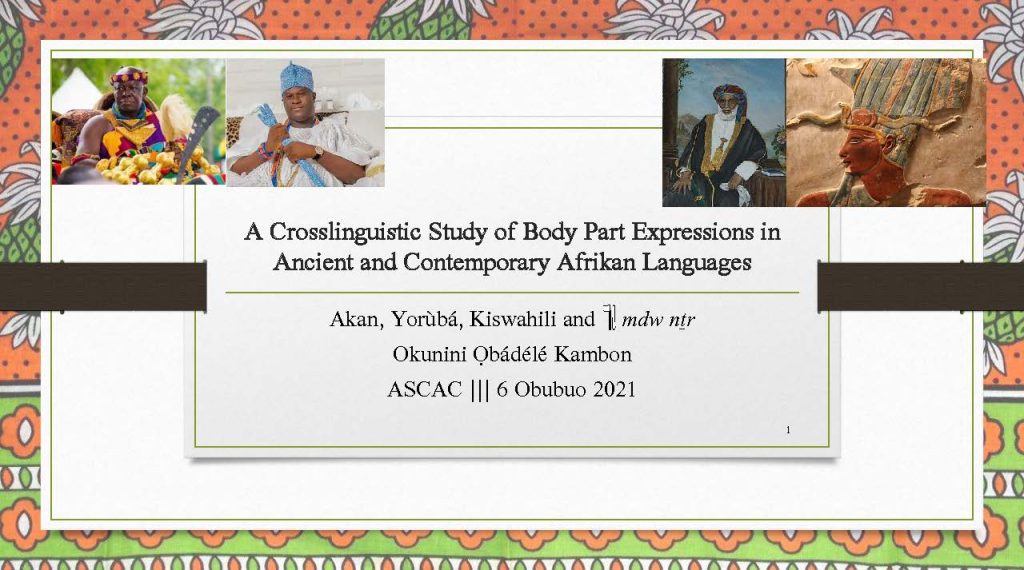
In November 2019, Ɔbenfo Ọbádélé Bakari Kambon delivered a powerful linguistics seminar at the University of Ghana. He presented his crosslinguistic study comparing how these four Afrikan languages express feelings, emotions, and concepts through the body. His analysis draws on the PPP framework he co-developed with Okuninibaa Dzahene-Quarshie in 2016. That framework illuminates structural and worldview-level similarities between Akan and Waswahili proverbs. As a result, the research opens a window into the Afrikan mind itself.
How Afrikan Body Part Expressions Unite Ancient and Contemporary Languages
Most importantly, Ɔbenfo Kambon’s work refuses to treat Afrikan languages as isolated or primitive. Instead, he reveals them as sophisticated, interconnected systems of meaning. He demonstrates that body parts in Afrikan languages function as conceptual metaphors. They carry cultural logic that stretches from ancient Kemet to contemporary West and East Afrika. In addition, this study challenges the colonial framework that has long fragmented our linguistic heritage. Afrikan people deserve scholarship that honors — not diminishes — our intellectual traditions.
This lecture comes with both video and slides, making it a rich resource for students, scholars, linguists, and community builders. Whether you study Twi, Yorùbá, Kiswahili, or mdw ntr, this presentation speaks directly to you. It equips Afrikan people with the linguistic and cultural knowledge needed for true Abibifahodie — Black Liberation. Abibitumi exists precisely to preserve and distribute this kind of transformative knowledge. Do not miss this essential contribution to Pan-Afrikan scholarship. Watch the full lecture and access the slides today.
👉 Watch / Get it here: A Crosslinguistic Study of Body Part Expressions — Video and Slides
Share This Post


Responses