
Akan and Kiswahili Share Deep Emotional Roots — Here’s What the Research Reveals
Akan Kiswahili emotional language holds profound secrets about how Afrikan people think, feel, and express their innermost truths. These two languages — spoken across vast stretches of the Afrikan continent — share striking structural and conceptual patterns. Most people never examine this connection deeply. Abibitumi changes that completely.
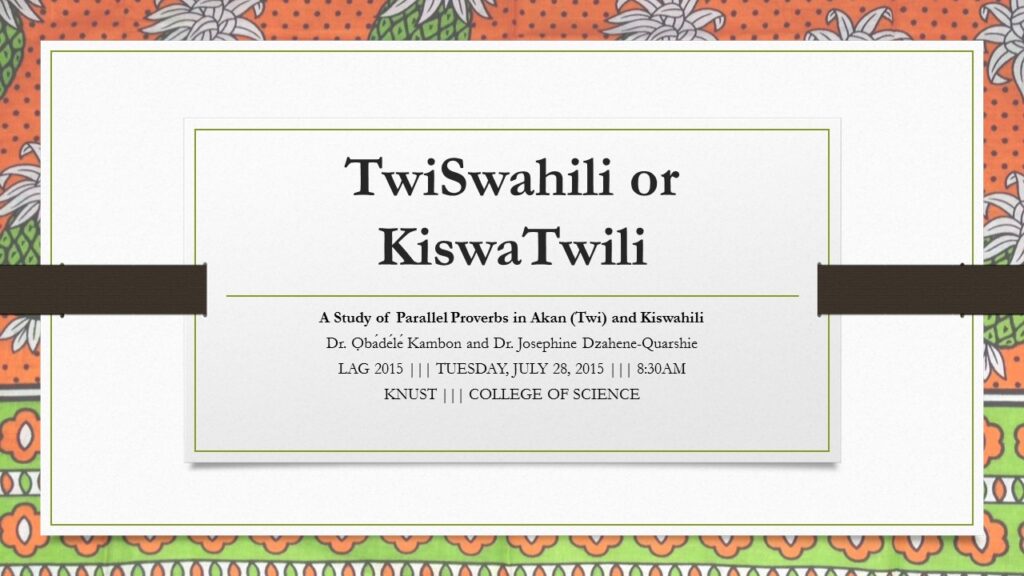
Ɔbenfo Ọbádélé Bakari Kambon, alongside Ɛna Dzahene-Quarshie, published groundbreaking research in 2016 confirming real structural parallels between Akan and Kiswahili speakers. Furthermore, their work showed that proverbs — both similar and contrasting — illuminate shared Afrikan worldviews at the deepest level. In addition, Okuninibaa Dzahene-Quarshie’s 2018 contribution demonstrated that in Kiswahili, emotional expression, cognition, and meaning consistently manifest through nominal structures. As a result, scholars now understand that language itself carries the living DNA of Afrikan culture. Language, therefore, is never neutral — it is the direct expression of a people’s civilization.
How Akan Kiswahili Emotional Language Reveals Our Shared Afrikan Worldview
This lecture examines morphosemantics, cognition, and pragmatics across both languages with precision and clarity. Ɔbenfo Kambon presents this material with the intellectual rigor Abibifahodie demands. However, the power here goes beyond academic analysis. These findings affirm that Afrikan languages encode a coherent, sophisticated, and unified philosophical tradition. Moreover, understanding these connections strengthens the Pan-Afrikan project of cultural and psychological liberation. When we study our languages seriously, we reclaim ourselves completely. Abibitumi exists precisely to make that reclamation possible for every Afrikan person — scholar, student, elder, and community builder alike.
This video lecture is available now for only $20. It represents essential study for anyone serious about Afrikan linguistics, cognitive science, or Abibifahodie. Indeed, no Pan-Afrikan library is complete without it. The Kmtyw built civilization through mastery of language and knowledge — and we continue that tradition today. Do not sleep on this resource. Watch it, study it, and share it with your community.
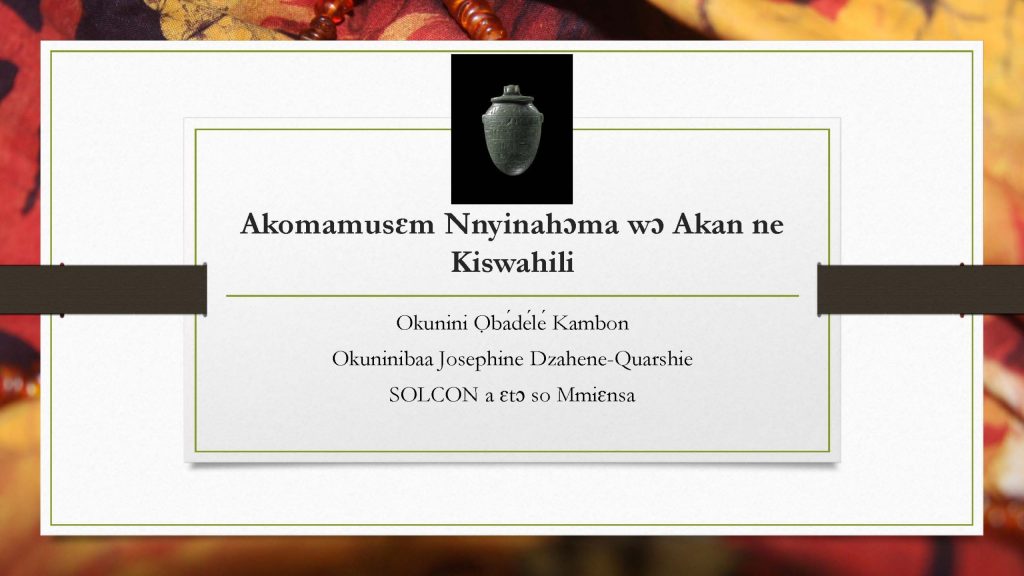
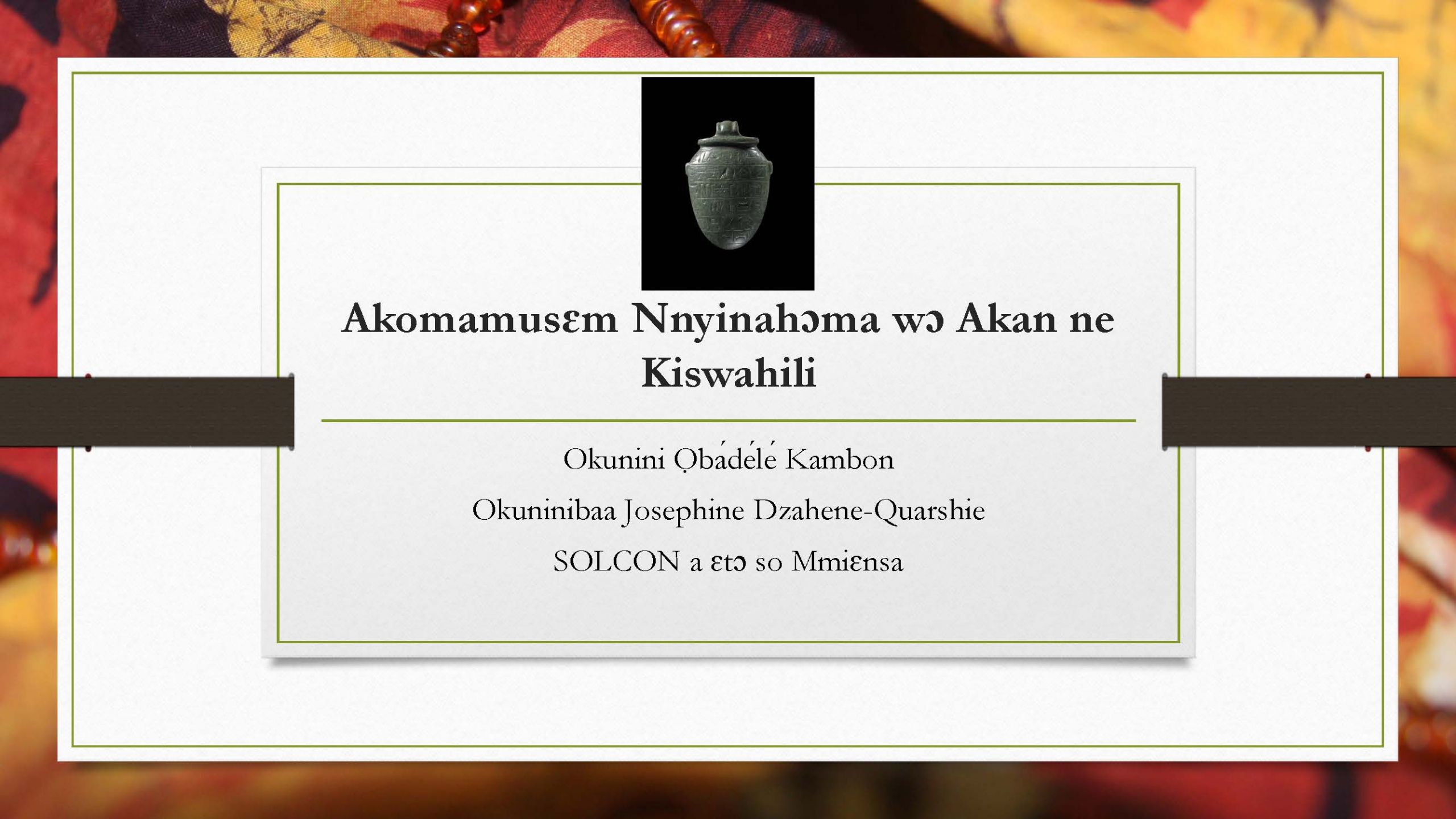
Watch / Get it here: Akomamusɛm Nnyinahɔma wɔ Akan ne Kiswahili — Abibitumi.com
Share This Post

Responses